
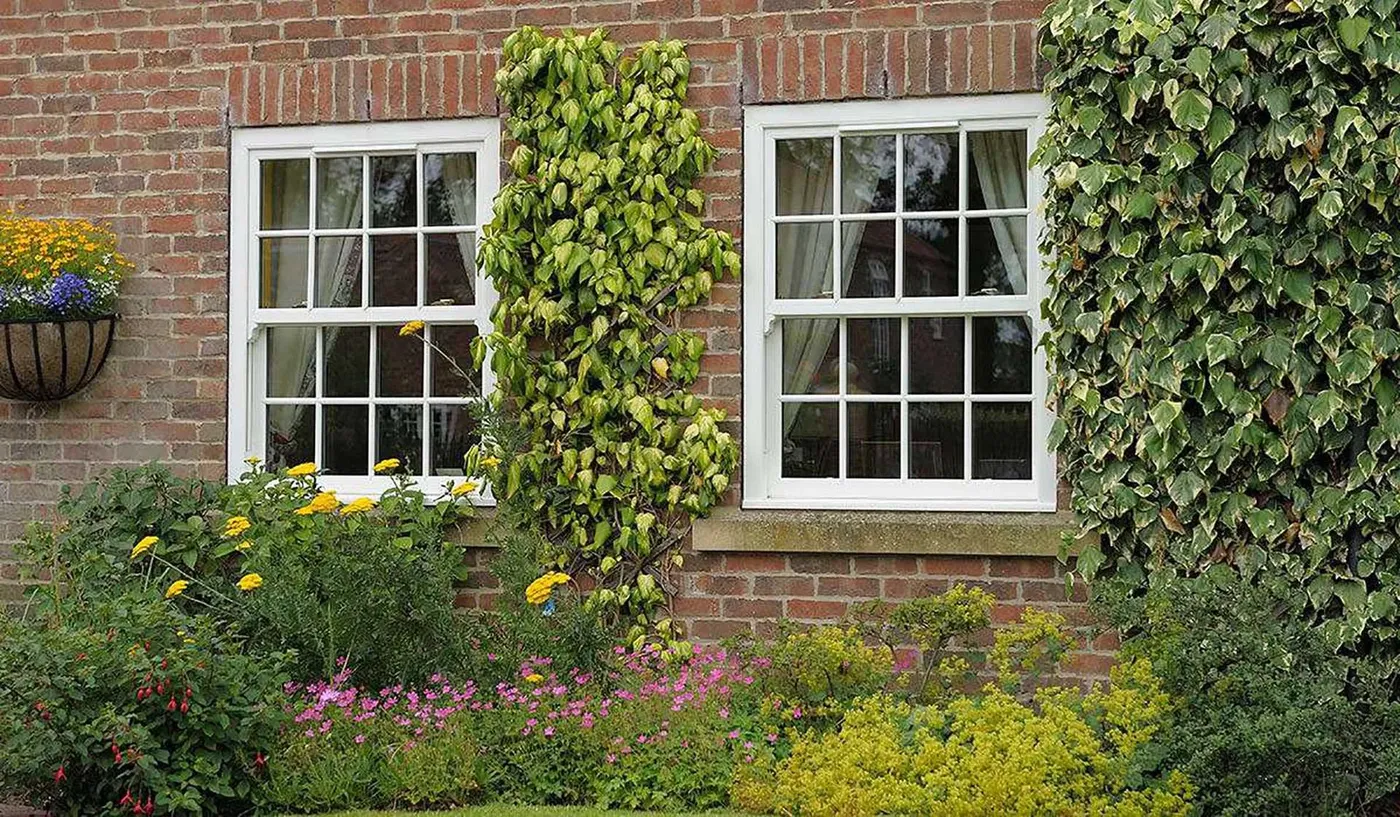
Sliding sash windows
Sliding sash windows: styles, prices and options
Two sashes that slide up and down, the defining window of Georgian, Victorian and Edwardian homes, now with modern comfort and security.
View styles and designs Get a free quote
Last updated: · By the Orangeries & Conservatories team
A sliding sash window has two sashes that slide vertically past each other in a box frame, as found on Georgian, Victorian and Edwardian houses. Modern versions add double glazing, spring balances and tilt-in cleaning. Fitted uPVC sash windows typically cost about £700 to £1,100 each, with timber higher.
What is a sliding sash window?
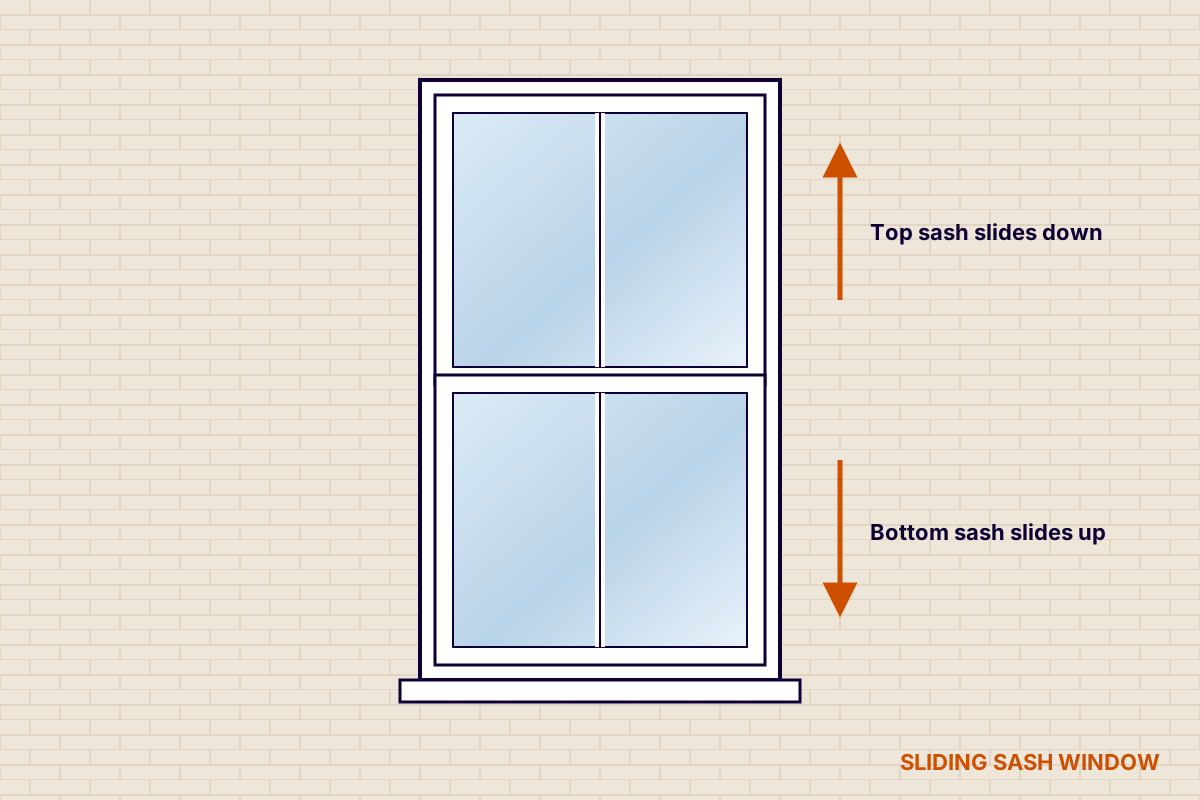
A sliding sash window, called a sash and case window in Scotland, has an upper and a lower sash that slide past each other. Traditional versions use cords, pulleys and weights hidden in the box frame; most modern replacements use spring balances instead.
Replacement sash windows in timber or uPVC copy the proportions, glazing bars and horns of the originals, but add double glazing, draught seals and secure locks. Many also tilt inwards so both sides of the glass can be cleaned safely from inside. If your original windows are sound, renovation may be the better choice.
Key features
- Upper and lower sashes that slide vertically.
- Traditional details: glazing bars, sash horns and a deep bottom rail.
- Tilt-in sashes on many modern designs for easy cleaning.
- Spring balances or traditional cords and weights.
- Double glazing, wool pile seals and locking sash fasteners.
Is it right for you?
Best suited to
- Georgian, Victorian and Edwardian houses
- Conservation areas where the original look matters
- Rooms where opening sashes must not project
- Homeowners wanting period character with less maintenance
Things to consider
- Costs more than casement windows, often around 50% more
- Listed buildings usually need like-for-like timber
- Poorly made uPVC sashes can look bulky
- Repairing good original sashes may be better value
Timber, uPVC or aluminium?
Timber sash windows are the authentic choice and usually expected on listed buildings. uPVC sash windows are far cheaper and need no painting; look for slim profiles, mechanical joints and woodgrain finishes. Aluminium sashes are less common but suit some modern designs.
Choose glazing bars to match the originals, such as two over two or six over six, and consider acoustic glass on busy roads.
Sash window styles by period
The pattern of glazing bars is what gives a sash window its period. Matching it to the age of your house makes the biggest difference to how the new windows look.
| Period | Typical pattern | Look for |
|---|---|---|
| Georgian (about 1714 to 1830) | Six over six, sometimes nine over nine | Very slim glazing bars, no sash horns, tall windows on the lower floors |
| Victorian (about 1837 to 1901) | Two over two, or one over one | Larger panes, sash horns, sash bay windows on many terraces |
| Edwardian (about 1901 to 1914) | Small panes over one large pane, such as six over one | Decorative upper sash, often with a plain lower sash |
| Cottages and farmhouses | Yorkshire (horizontal) sliding sashes | Sashes that slide sideways, common in northern England |
Sash windows can also be made with arched or curved heads, in sash bay windows, and with equal or unequal sashes (a shorter top sash was common on Victorian houses).
How sash windows work
Box sash windows have a hollow box frame that hides cast iron weights on cords running over pulleys. The weights balance each sash so it stays where you leave it. This is the traditional system and is still used on high-quality timber replacements and listed buildings.
Spring balance windows replace the weights with springs in the side of the frame, so the frame can be slimmer and the windows cost less. Most uPVC and many modern timber sashes work this way.
Many modern sashes also tilt inwards for cleaning, so you can reach the outside of the glass safely from inside, which matters on upper floors.
Timber, uPVC or aluminium sash windows?
| Timber | uPVC | Aluminium | |
|---|---|---|---|
| Look | Most authentic, finest details | Good on quality systems with woodgrain and mechanical joints | Slim and crisp, suits some modern homes |
| Typical price per window | £1,500 to £2,000 | £700 to £1,100 | £1,100 to £1,400 |
| Maintenance | Repaint every 5 to 8 years | Wipe clean, no painting | Wipe clean, no painting |
| Lifespan | 60 years or more if maintained | 20 to 30 years or more | 30 years or more |
| Listed buildings | Usually expected | Rarely accepted | Rarely accepted |
If you choose uPVC, look for slim sightlines, run-through sash horns, a deep bottom rail and woodgrain or heritage colours. These details stop the windows looking bulky next to original sashes on the street.
Period details, colours and hardware
The small details decide whether a new sash window looks authentic or obviously modern. On a good replacement you can choose:
- Run-through sash horns: the small projections below the top sash, common on Victorian windows.
- A slim meeting rail: where the two sashes meet, kept thin so the window looks like timber.
- A deep bottom rail on the lower sash, which gives the traditional proportions.
- Mechanical joints at the corners instead of welded mitres, copying timber joinery.
- Glazing bars: astragal bars fixed to the glass inside and out look most authentic; bars sealed between the panes are cheaper and easier to clean.
- Hardware: sash locks, hook lifts and ring pulls in chrome, brass, black or satin finishes, with travel restrictors as standard on good systems.
- Colours: white, cream, chartwell green, grey, black and woodgrain finishes, often with a different colour inside. See our window colours guide.
Each of these adds a little to the price, so ask for them by name when you compare quotes.
Glass, lead times and fitting
Sash windows take the same glass options as other windows: A-rated double glazing as standard, triple glazing for colder or exposed homes, acoustic laminated glass for busy roads, and toughened glass in the lower sash where it is close to the floor. Obscure glass can go in the bottom sash only, keeping a clear view through the top.
Made-to-measure sash windows usually take 6 to 12 weeks to make after the survey, and longer for timber or special colours. Most houses are fitted in 1 to 3 days, one window at a time.
Some suppliers sell sash windows supply only, which looks cheaper. In England and Wales the fitting must still be certified, either by a FENSA or Certass installer or through building control, and a poorly fitted sash will stick, rattle or leak. Supply and fit by a registered installer is usually the safer choice.
Security, safety and ventilation
- Locks: modern sashes have locking fasteners on the meeting rail and sash stops that let the window open a little but no further. Look for windows tested to PAS 24.
- Child safety: restrictors limit the opening to about 100 mm, which matters on low sills upstairs.
- Fire escape: a sliding sash only opens half its height, so an upstairs escape window may not meet the minimum clear opening of 0.33 m². A larger lower sash or a tilt-and-slide design can help, so check this at the survey.
- Ventilation: trickle vents in the head of the frame, and the classic trick of opening both sashes a little, which lets warm air out at the top and fresh air in at the bottom.
- Energy: double-glazed sashes with good seals reach a Window Energy Rating of A, and remove the draughts and rattles of old single-glazed sashes.
Conservation areas and listed buildings
Sash windows are often the defining feature of a period street, so councils take a close interest in them. In a conservation area, replacing sashes with a similar design is often allowed, but an Article 4 direction can mean you need permission, especially for windows facing the road. Some councils accept high-quality uPVC; others ask for timber.
On a listed building, you need listed building consent for any change. Councils usually prefer repair, and where replacement is agreed they expect like-for-like timber, sometimes with slim double glazing. Sash window renovation and secondary glazing are often the best way to make listed sashes warm and quiet. In Scotland, Wales and Northern Ireland the same principles apply, so speak to your local planning office before you order.
Sliding sash window prices
Sash windows typically cost around half as much again as a casement of the same size.
| Frame | Typical price per window, fitted | Notes |
|---|---|---|
| uPVC | £700 – £1,100 | Most affordable, low maintenance |
| Aluminium | £1,100 – £1,400 | Less common for sashes |
| Timber | £1,500 – £2,000 | Authentic choice for period homes |
Standard-sized double-glazed sash windows, supplied and fitted. Prices are current indicative UK ranges from the published guides listed below. Always get a written quote.
Rules and regulations
- England and Wales: replacement windows must meet building regulations for energy, safety glass, ventilation and fire escape. In England that means a U-value of 1.4 W/m²K or a Window Energy Rating of band B or better. A FENSA or Certass installer can self-certify the work and give you a certificate.
- Scotland: replacing windows in a house of one or two storeys does not normally need a building warrant, but the windows must still meet the building standards. Flats and taller buildings may need one.
- Northern Ireland: replacement windows are controlled under the Building Regulations (Northern Ireland). Check with your council's building control service.
- Listed buildings and conservation areas: changing window style or material may need consent. Ask your council before ordering.
See the full guide to the rules for new windows and doors across the UK.
Sliding sash windows: styles and designs
Sliding sash windows in white, cream and sage on Georgian, Regency, Victorian and new-build homes, including sash bays and arched windows. Tap any photo to see it larger.
Seen a style you like?
Tell us which designs caught your eye and we will help you choose the right style, frame, colour and glass for your home. Our survey and quote are free, with no obligation.
Related guides
Sash window renovation
Repair, draught-proof and re-glaze original sash windows.
Read the guideGlazing optionsSecondary glazing
An extra inner pane for listed homes and noisy roads.
Read the guideWindow stylesFlush casement windows
The look of traditional timber cottage windows.
Read the guideCommon questions
What is a sash and case window?
It is the Scottish name for a sliding sash window: two sashes that slide vertically within a box frame, or case, which traditionally hides the cords and weights.
How much do sash windows cost?
Fitted uPVC sash windows typically cost about £700 to £1,100 each, with timber sash windows around £1,500 to £2,000.
Should I replace or restore my sash windows?
If the timber is sound, restoring with draught proofing, new cords and possibly slim double glazing keeps the original character and is often cheaper. Badly rotten windows may need replacing.
Can I have uPVC sash windows in a conservation area?
It depends on your council. Listed buildings usually need timber, while some conservation areas accept high-quality uPVC sashes. Always check first.
Can I clean sash windows from inside?
Yes, if they tilt. Most modern uPVC and many timber sashes tilt inwards so you can clean both sides of the glass safely from inside the room.
Are sash windows energy efficient?
Modern double-glazed sash windows with brush or compression seals reach a Window Energy Rating of A and are far warmer than old single-glazed sashes. Well-draught-proofed original sashes with secondary glazing can also perform well.
Are sash windows secure?
Yes. Modern sashes have locking fasteners, sash stops and toughened or laminated glass options. Look for windows tested to PAS 24 or approved under Secured by Design.
Can a sash window be a fire escape?
Sometimes. Because a sliding sash only opens half its height, an upstairs window may not give the required clear opening of 0.33 m². A larger lower sash or a tilt-and-slide design can solve this, so check at the survey.
Do uPVC sash windows look like timber?
Good ones do. Choose a system with slim sightlines, mechanical joints, run-through horns and a woodgrain or heritage colour finish. Cheaper uPVC sashes can look bulky.
How long do sash windows last?
uPVC sashes typically last 20 to 30 years or more. Well-maintained timber sashes can last 60 years or more, and many Victorian originals are still working today.
What is a Yorkshire sash window?
A Yorkshire sash slides horizontally rather than vertically. It is common on cottages and farmhouses, especially in northern England, and can be made in timber or uPVC.
Can I get triple-glazed sash windows?
Yes. Many uPVC and timber sash systems take triple glazing, which suits cold or exposed homes. It adds weight, so the balances are sized to suit.
How long does it take to fit sash windows?
After the survey, sash windows usually take 6 to 12 weeks to make. Fitting takes a few hours per window, and most houses are finished in 1 to 3 days.
Can I buy sash windows supply only?
Yes, but the fitting still has to meet building regulations, so you will need a FENSA or Certass installer or a building control application. Supply and fit by one registered company gives you a single guarantee.
Do sash windows add value to a house?
On a period home, well-matched sash windows usually help, because they keep the character buyers are paying for. Replacing original sashes with poor copies can have the opposite effect, so the quality of the details matters.
If we have not answered your question here, please feel free to view our full FAQs or contact us directly.
Ready to plan your new room?
Get a ballpark price in under a minute with our estimator, or send us your project details for a free quote.