
Windows
Windows: styles, prices and design ideas
Energy-efficient replacement windows in uPVC, aluminium and timber, in every style from cottage casements to sliding sashes, made to measure for your home.
Last updated: · By the Orangeries & Conservatories team
New windows typically cost about £350 to £600 each fitted in uPVC, £400 to £1,000 in aluminium and £600 to £1,200 in timber. Replacing all the windows in a semi-detached house with 11 to 15 uPVC windows costs about £5,865 to £10,070. The most popular styles are casement, flush casement, sliding sash and tilt and turn.
Window styles
The right window depends on the age and style of your house, how each room is used and how you want the windows to open. These are the main styles fitted in UK homes, each with its own guide to prices, options and design tips. If you are not sure where to start, our types of windows guide compares them side by side, and our replacement windows guide explains when it is time to replace.
Casement windows
The UK's most popular window, hinged at the side or top.
Casement windows guideWindow stylesFlush casement windows
The look of traditional timber cottage windows.
Flush casement windows guideWindow stylesSliding sash windows
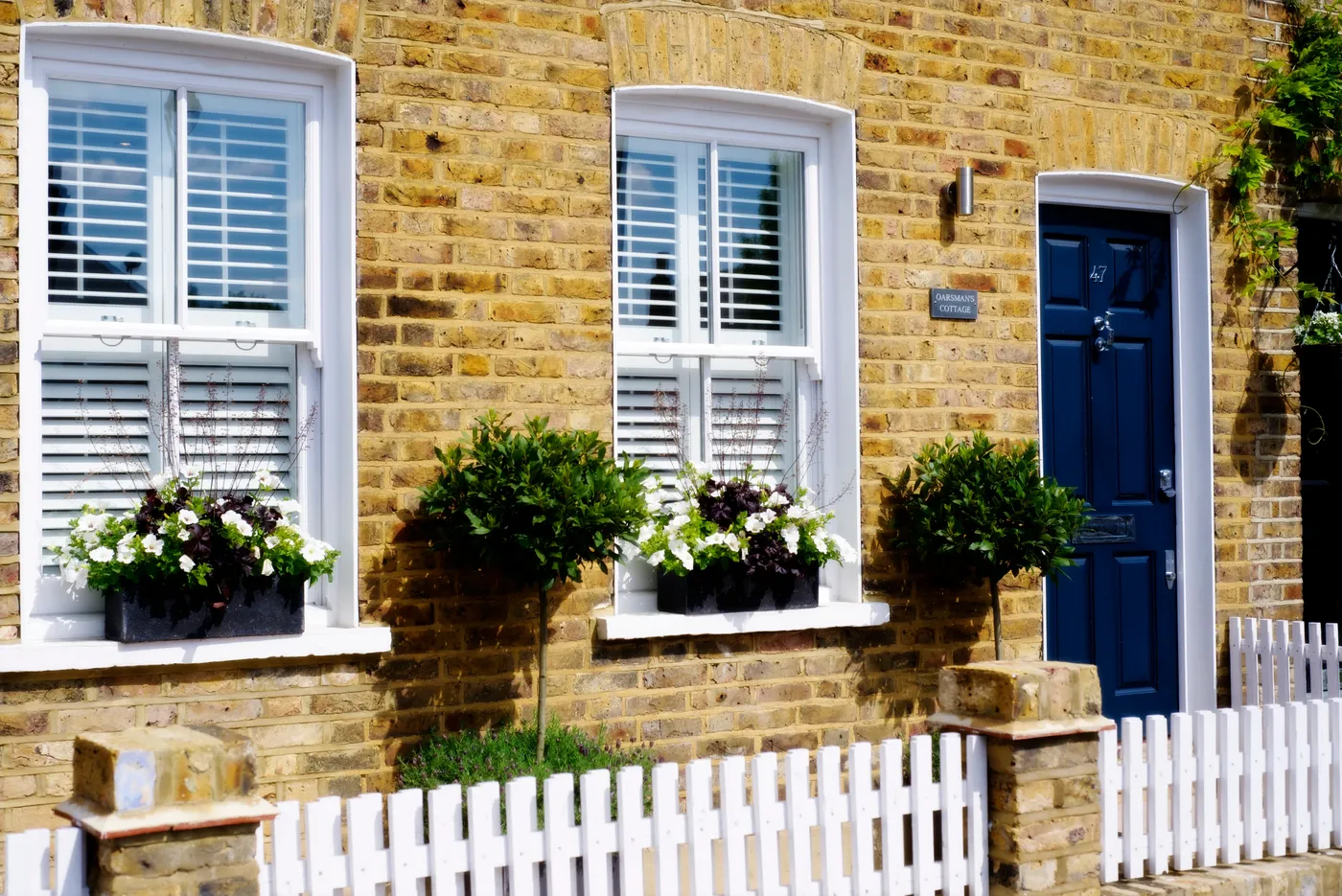
Vertical sliding sashes for Georgian, Victorian and Edwardian homes.
Sliding sash windows guideWindow stylesTilt and turn windows
Tilt for ventilation or turn inwards to clean.
Tilt and turn windows guideWindow stylesBay and bow windows
Projecting windows that add light and floor space.
Bay and bow windows guideWindow stylesShaped windows
Arched, circular, raked and gable windows.
Shaped windows guidePeriod windowsSash and case renovation
Repair and draught-proof original timber sash windows instead of replacing them.
Sash and case renovation guideColoursWindow colours
White, grey, black, cream, green and woodgrain, inside and out.
Window colours guideuPVC, aluminium or timber windows?
The frame material sets the look, the price and how much care your windows need. All three can meet the energy rules for replacement windows.
| uPVC | Aluminium | Timber | |
|---|---|---|---|
| Typical price, fitted | £350 – £600 each | £400 – £1,000 each | £600 – £1,200 each |
| Look | Chunkier frames, many colours and woodgrains | The slimmest frames and most glass | Traditional, with real wood detail |
| Maintenance | A wipe down and oiled hinges | Very little | Repaint or restain every 5 to 8 years |
| Lifespan | 20 to 30 years or more | 30 years or more | 60 years or more if well cared for |
| Best for | Most homes and budgets | Modern homes, extensions, large panes | Period, listed and conservation-area homes |
A fourth option, aluminium-clad timber, has a timber frame inside and a low-maintenance aluminium shell outside. It costs more but combines the warmth of wood with a frame that never needs painting outside.
Glass and glazing
The glass does most of the work in keeping heat in and noise out. Most new windows are double glazed with low-E glass and argon gas; triple glazing suits cold, exposed and noisy sites, and secondary glazing is the answer where the original windows must stay.
Double glazing
The UK standard for warmth, quiet and lower bills.
Double glazing guideGlazing optionsTriple glazing
Three panes for lower U-values and extra comfort.
Triple glazing guideGlazing optionsSecondary glazing
An extra inner pane for listed homes and noisy roads.
Secondary glazing guideGlazing optionsGlass options
Obscure, frosted, leaded, etched, stained and bevelled glass.
Glass options guideWindows to suit your home
| Type of home | Windows that usually suit it |
|---|---|
| Georgian, Victorian and Edwardian | Sliding sash windows, with glazing bars matched to the originals; sash renovation for original timber |
| Cottages and rural homes | Flush casements with cottage bars, in heritage colours or woodgrain |
| 1930s semis | Bay windows, leaded or Georgian bars, or slim steel-look frames |
| Post-war and modern homes | Casement windows in white, grey or black uPVC or aluminium |
| Flats and upstairs rooms | Tilt and turn windows that clean from inside and open wide for escape |
In a conservation area or on a listed building, the style and material of new windows may be controlled. See our planning guide before you choose.
Window prices
Prices depend on size, style, material, glass and access. The Federation of Master Builders gives these typical figures for double-glazed uPVC casement windows for a whole home:
| Home | Typical number of windows | uPVC windows, all | Installation |
|---|---|---|---|
| Flat | 4 – 5 | £2,065 – £3,355 | £415 – £1,550 |
| Terraced house | 6 – 10 | £3,200 – £6,930 | £850 – £2,065 |
| Semi-detached house | 11 – 15 | £5,865 – £10,070 | £1,240 – £3,100 |
Prices by window style
| Window | Typical installed price | Notes |
|---|---|---|
| uPVC casement | £350 – £600 each | The UK's most popular window |
| Flush casement, uPVC | £300 – £750 each | Timber £950 – £1,400 |
| Aluminium casement | £400 – £1,000 each | Choose thermally broken frames |
| Timber casement | £600 – £1,200 each | For period and character homes |
| Sliding sash | £700 – £2,000 each | uPVC at the lower end, timber at the top |
| Bay window | £1,500 – £4,000 | Depends on size and number of panes |
Indicative UK ranges from published price guides. Coloured frames, triple glazing and upper-floor access add cost. Use our cost estimator for a ballpark figure, and always get a written quote.
Energy ratings and savings
Replacement windows in England must reach a U-value of 1.4 W/m²K or better, or a Window Energy Rating of band B or above. A-rated and A+ rated windows go further, and triple glazing can reach A++.
The Energy Saving Trust estimates that replacing all the single glazing in a semi-detached home with A-rated double glazing saves about £85 a year in Great Britain and about £140 a year in Northern Ireland. Replacing older double glazing saves less, but you notice fewer draughts, less condensation and less outside noise. See our guide to window energy ratings.
What happens on fitting day
Replacing windows is quicker and cleaner than most people expect. A typical house takes one to three days, and each window is usually out and back in within an hour or two, so rooms are never left open overnight.
- Survey: every opening is measured precisely before anything is made, and any lintel, damp or access problems are noted.
- Manufacture: windows and doors are made to measure, which usually takes a few weeks depending on the material and colour.
- Removal: the old frame is cut out carefully, protecting plaster and sills, and taken away for recycling.
- Fitting: the new frame is fixed, packed and sealed with expanding foam and weatherproof sealant, then the glass and sashes go in.
- Finishing: trims and cills are fitted, gaps are made good, and everything is cleaned and checked before handover.
- Certificate: in England and Wales, your installer registers the work and you receive a compliance certificate, usually within a few weeks.
How to choose a window and door installer
The quality of the fitting matters as much as the product. A well-made window that is badly fitted will leak, stick or let in draughts. Before you sign, check:
- Competent person registration: FENSA or Certass in England and Wales, so the work can be self-certified for building regulations. You can check registration on the scheme's website.
- An insurance-backed guarantee: this protects your guarantee if the company stops trading.
- Deposit protection: so any deposit you pay is safe until the work is done.
- A written, itemised quote after a proper survey, listing frame material, glass specification, locks, colours, removal of old frames and making good.
- Real reviews and local jobs you can see, ideally on independent sites.
Warning signs: a price that drops sharply if you sign today, pressure to pay a large deposit, no physical address, no written contract, or reluctance to show a registration number. A reputable installer will give you time to compare quotes.
Rules for replacement windows and doors across the UK
Replacement windows and doors must meet building rules for heat loss, safety glass, ventilation and fire escape, wherever you live.
- England and Wales: installers registered with a competent person scheme such as FENSA or Certass can self-certify the work and give you a certificate. Keep it safe, as solicitors ask for it when you sell. Without one, you may need retrospective approval from building control. Wales sets its own energy standards, so check the current figures.
- Scotland: replacing windows in a house of one or two storeys does not normally need a building warrant, but the new windows must still meet the building standards for energy efficiency, safety and escape. Taller buildings and flats may need a warrant, so check with your council's building standards team.
- Northern Ireland: replacement windows are controlled under the Building Regulations (Northern Ireland). Check with your council's building control service before work starts.
- Everywhere: safety glass in doors and low-level glazing, large enough escape openings on upper floors, and trickle vents where needed so rooms are not less ventilated than before.
Listed building or conservation area? Changing the style or material of windows on a listed building needs listed building consent, and some conservation areas restrict changes to front elevations. Secondary glazing is often the best solution. Check with your council before you order.
Living by the sea?
Salty air is hard on frames and fittings. uPVC cannot corrode. If you choose aluminium, ask for a marine-grade powder coating with a coastal guarantee and stainless-steel hardware, and rinse frames down from time to time.
New windows: styles and designs
Sash, casement, flush and bay windows in uPVC, aluminium and timber, on homes from Victorian terraces to modern new builds. Tap any photo to see it larger.
Seen a window style you like?
Tell us which windows caught your eye and we will help you choose the right style, frame and colour for your home. Our survey and quote are free, with no obligation.
Doors to match your new windows
Front, back, French, patio and bi-fold doors in the same frames and colours as your windows.
Common questions
How much do new windows cost?
Most replacement windows cost about £350 to £600 each fitted in uPVC, £400 to £1,000 in aluminium and £600 to £1,200 in timber. Sash and bay windows cost more. For a whole house, the Federation of Master Builders puts uPVC windows for a semi-detached home at about £5,865 to £10,070.
Which type of window is best?
It depends on the house and the room. Casement windows are the most affordable and versatile, flush casements suit cottages and period homes, sliding sash windows suit Georgian and Victorian houses, and tilt and turn windows are ideal upstairs and in flats because they clean from inside.
Are uPVC, aluminium or timber windows best?
uPVC is the most affordable and needs almost no maintenance. Aluminium gives slim frames, more glass and any colour, but costs more. Timber is the traditional choice for period and listed homes and lasts for decades if it is repainted every few years.
How long do new windows last?
Good uPVC and aluminium windows usually last 20 to 30 years or more. Well-maintained timber windows can last even longer. The sealed glass units can be replaced on their own if they mist up.
Do new windows need building regulations approval?
Yes, replacement windows must meet building regulations, but a FENSA or Certass registered installer can self-certify the work in England and Wales, so you do not need to apply separately. You will receive a certificate when the job is registered.
How many windows does a typical house have?
As a guide, a flat has 4 to 5 windows, a terraced house 6 to 10 and a semi-detached house 11 to 15. Larger detached homes often have more, plus doors.
Can I choose a different colour for my windows?
Yes. uPVC and aluminium windows come in white, grey, black, cream, green and woodgrain finishes, and many can be one colour outside and another inside. See our window colours guide.
What is the best window for an upstairs bedroom?
One with a large enough opening for escape in a fire. Casement windows with fire escape hinges and tilt and turn windows both work well, and restrictors keep children safe while still allowing ventilation.
How much do new windows and doors cost for a whole house?
Around £6,000 to £9,000 for a typical home, according to the Federation of Master Builders. A flat with 4 to 5 uPVC windows costs much less, while a larger semi or detached house, or timber or aluminium frames, can cost considerably more.
How much can new windows save on energy bills?
The Energy Saving Trust estimates that replacing all the single glazing in a semi-detached home with A-rated double glazing saves about £85 a year in Great Britain and £140 a year in Northern Ireland. Replacing older double glazing saves less, but improves comfort.
Can misted double glazing be repaired?
Yes. Misting between the panes means the seal on the glass unit has failed, so the gas has escaped and moisture has got in. In most cases only the sealed glass unit needs replacing, not the whole window, which costs much less. If the frame is old, warped or draughty, replacing the whole window may be better value.
How long does it take to fit new windows?
Most homes take one to three days. Each window is usually removed and replaced in an hour or two, so no room is left open overnight. Before that, made-to-measure windows typically take a few weeks to manufacture after the survey.
Do installers take away the old windows and doors?
A good installer will remove and dispose of your old frames and glass as part of the price, and recycle uPVC and glass where possible. Check that this is listed on your quote.
Do I need planning permission to replace my windows?
Usually not, if the new windows are similar in appearance to the old ones. You may need permission in a conservation area with an Article 4 direction, for a flat, or if the style changes significantly. Listed buildings need listed building consent. The new windows must still meet building regulations.
How do I choose a good window installer?
Check they are registered with FENSA or Certass, offer an insurance-backed guarantee and deposit protection, give a written itemised quote after a survey, and have real reviews and local jobs you can see. Be wary of high-pressure sales or large up-front deposits.
What U-value do replacement windows need?
In England, replacement windows must achieve a whole-window U-value of 1.4 W/m²K or better, or a Window Energy Rating of band B or above.
What is a FENSA certificate?
FENSA is a government-authorised competent person scheme. Registered installers can self-certify that replacement windows and doors meet building regulations and give you a certificate, which solicitors ask for when you sell your home.
Can I replace windows in a listed building?
Only with listed building consent, and like-for-like timber is usually expected. Secondary glazing, an extra pane fitted inside the existing window, is often approved because it keeps the original windows intact.
If we have not answered your question here, please feel free to view our full FAQs or contact us directly.

Ready to plan your new room?
Get a ballpark price in under a minute with our estimator, or send us your project details for a free quote.